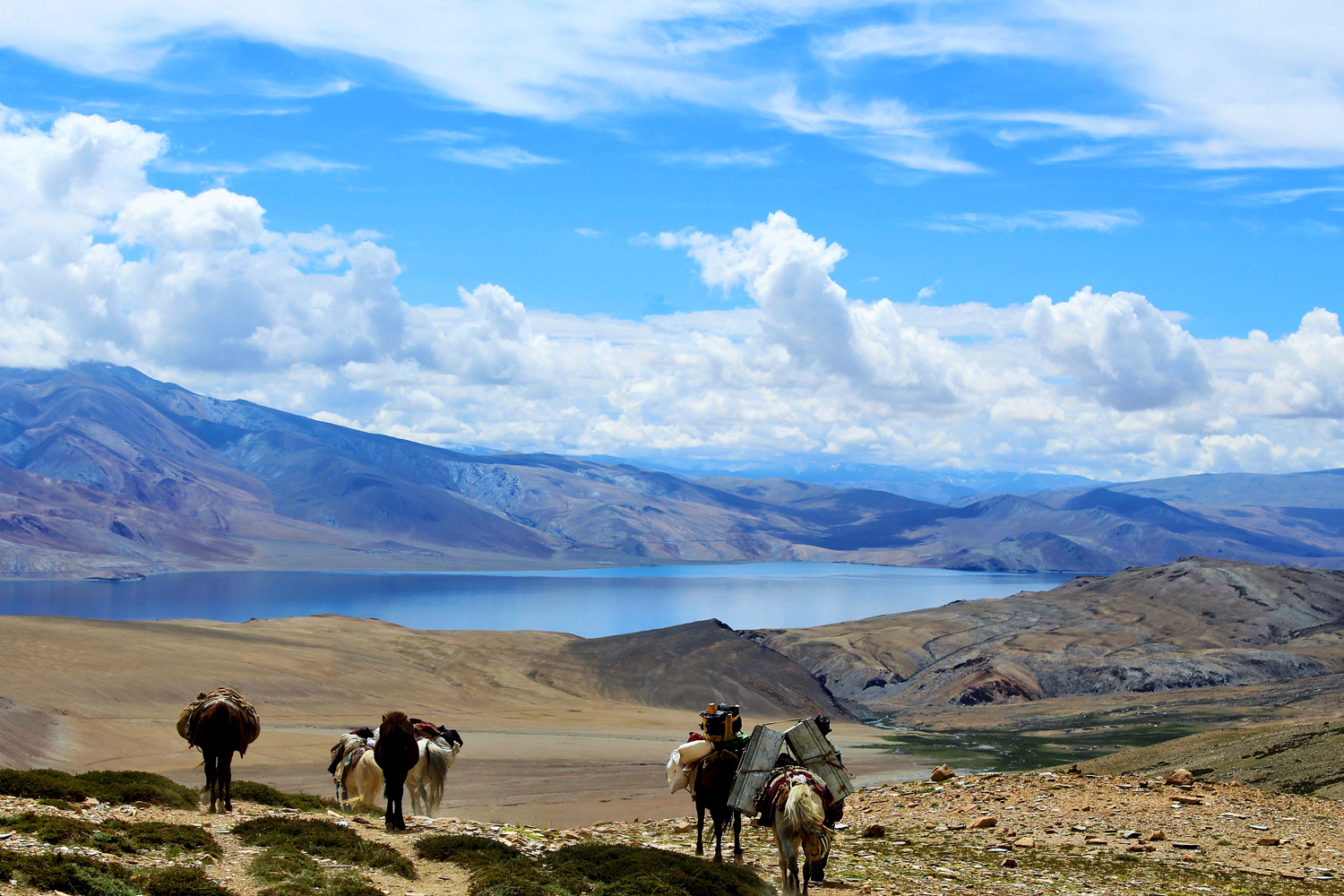
Ladakh
4300mtrs
Mid June to Mid Sept.
Trekking in Ladakh
Explore ancient trails, remote Himalayan villages, high mountain passes, wild valleys and some of India's most extraordinary trekking landscapes with this complete planning and safety guide.
A Complete Guide to Trekking in Ladakh
Trekking in Ladakh is not simply a walk through the mountains. It is a journey across high-altitude desert landscapes, ancient caravan routes, remote settlements, Buddhist monasteries, summer grazing grounds and dramatic passes that have connected Himalayan communities for generations.
The region offers possibilities for almost every kind of traveller. Beginners can experience short village-to-village walks with comfortable homestays, while experienced trekkers can undertake remote traverses involving high passes, river crossings, camping and several days away from road access.
Ladakh's dry climate, immense scale and generally clear summer skies create exceptional trekking conditions. However, the combination of altitude, strong sunlight, cold nights, remote terrain and rapidly changing weather means that proper preparation is essential.
Why Trek in Ladakh?
A rare combination of wilderness, culture and high-altitude adventure
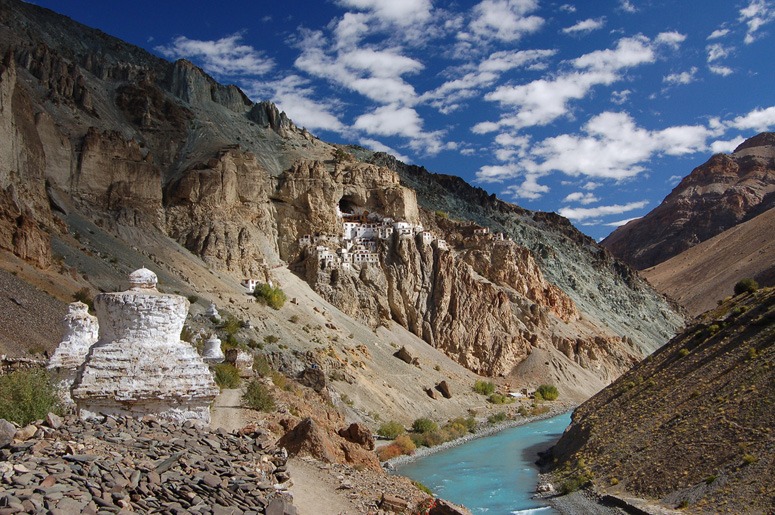
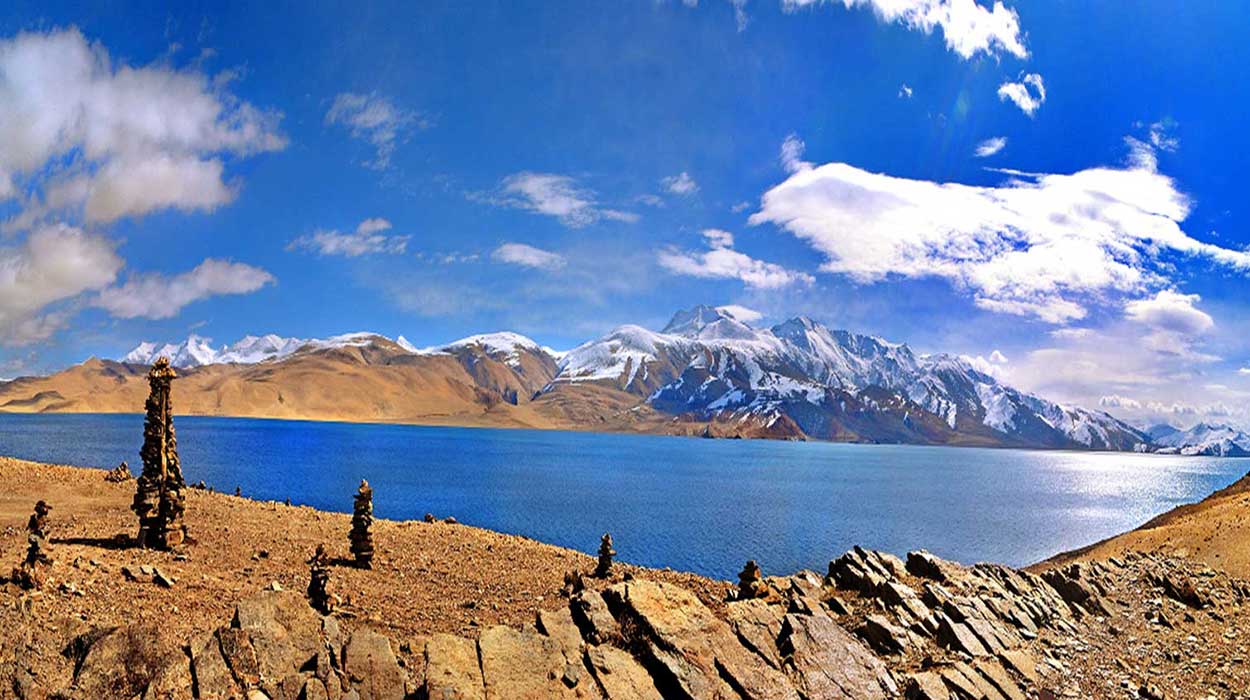
Ladakh is a high-altitude mountain region where the Himalaya, Karakoram and Trans-Himalayan landscapes meet. Its trekking routes pass through broad valleys, narrow gorges, barren ridgelines, irrigated villages, glacial streams and high grazing grounds.
The apparent emptiness of the landscape is balanced by a rich human story. Trekkers may encounter centuries-old monasteries, whitewashed chortens, prayer walls, traditional homes, shepherd camps and small agricultural settlements surrounded by fields of barley, peas and vegetables.
Dramatic Landscapes
Trek through deep canyons, colourful rock formations, high plateaus, river valleys and snow-covered mountain ranges.
Living Himalayan Culture
Stay in villages, meet local families and experience Ladakh's Buddhist heritage beyond the main tourist centres.
Routes for Every Level
Choose gentle homestay walks, classic multi-day treks, isolated traverses or technical mountaineering objectives.
Remote Wilderness
Many routes lead into areas with little road access, limited mobile coverage and an exceptional sense of space.
Wildlife Encounters
Depending on the region and season, trekkers may see bharal, marmots, ibex, Himalayan birds and signs of elusive predators.
Exceptional Photography
Clear mountain light, broad panoramas, traditional villages and night skies make Ladakh especially rewarding for photographers.
Best Time for Trekking in Ladakh
Choose your season according to the route, altitude and experience required
The main trekking season generally falls during Ladakh's warmer months, when many trails, mountain passes and village services become accessible. Exact opening dates vary each year because of snowfall, river levels, road conditions and local circumstances.
Early Season
Lower routes may begin opening. Higher passes can retain snow, and nights remain cold. Confirm trail conditions locally.
Peak Trekking Period
Most classic routes are accessible. Days can be warm in the sun, but high camps and passes remain cold and exposed.
Clear Autumn Conditions
Often valued for clear skies, fewer visitors and crisp mountain views. Temperatures begin dropping, especially at night.
Specialist Winter Treks
Winter journeys require specialized clothing, experienced support and flexible plans because of extreme cold and route conditions.
Never select a trek only by looking at its usual operating season. Ask your trekking company about the latest snow, river, road, campsite and pass conditions shortly before departure.
Understanding Trek Difficulty
Altitude, remoteness and daily walking time matter as much as distance
Trek classifications are only general guidelines. A moderate route can feel demanding when a traveller is poorly acclimatized, and an easy route can become difficult during bad weather. Review the complete itinerary rather than relying only on a difficulty label.
Introductory Treks
Suitable for healthy beginners who prepare properly and allow enough time for acclimatization.
- Shorter walking days
- Lower or gradual passes
- Village and homestay access
- Relatively straightforward evacuation
Classic Multi-Day Treks
Best for active travellers who can walk for several hours over uneven terrain on consecutive days.
- Longer daily stages
- High mountain passes
- Camping or mixed accommodation
- Greater altitude exposure
Remote and Expedition Routes
Intended for experienced trekkers with strong fitness, suitable equipment and professional logistical support.
- Multiple high passes
- Remote camps and difficult evacuation
- Long or demanding days
- Snow, cold or complex river crossings
Famous Trekking Routes in Ladakh
From accessible village walks to remote Himalayan traverses
Sham Valley Trek
Often called Ladakh's introductory or “baby” trek, the Sham Valley route connects traditional villages in the lower Indus region. It combines manageable walking days, village homestays, monasteries, farmland and broad mountain views.
Likir to Temisgam Trek
This route passes through villages, dry ridges, cultivated valleys and culturally important parts of western Ladakh. It can be adapted into shorter or longer itineraries and is well suited to travellers interested in local life.
Markha Valley Trek
The Markha Valley is Ladakh's best-known multi-day trek. Its appeal comes from a combination of river valleys, village settlements, monasteries, high passes, dramatic rock formations and views toward the Kang Yatse massif.
Spituk to Stok Trek
A compact route close to Leh that can include open valleys, remote camps and a high crossing before descending toward Stok. It is useful for travellers seeking a shorter mountain experience after proper acclimatization.
Lamayuru to Chilling Trek
Beginning near the extraordinary landscapes of Lamayuru, this route crosses rugged terrain toward the Zanskar River. It offers a strong combination of cultural heritage, changing geology and a genuine journey across western Ladakh.
Rumtse to Tso Moriri Trek
This spectacular high-altitude traverse crosses the Changthang plateau through broad valleys, remote camps, wildlife habitat and several high passes before reaching the Tso Moriri region. Strong acclimatization is essential.
Digar La and Nubra Routes
Routes crossing toward the Nubra side offer expansive views and a strong sense of travelling between distinct Ladakhi valleys. Exact itineraries vary and should be selected according to current access and logistics.
Parang La Trek
Parang La is a serious trans-Himalayan journey linking high plateaus and remote valleys. It may involve long days, cold camps, demanding crossings and significant distance from road access. Professional organization is strongly advised.
Zanskar Traverse
The great Zanskar trekking routes are among the most rewarding journeys in the region. They can connect isolated villages, monasteries, river valleys and multiple passes over a long and logistically complex itinerary.
Kang Yatse Base Camp and Summit Programs
Kang Yatse programs are commonly combined with a Markha Valley approach. Base-camp trekking and summit attempts are very different undertakings. Summit programs may require mountaineering equipment, technical supervision, permits and expedition experience.
Snow Leopard Winter Trek
Winter wildlife journeys focus on tracking and observation in selected valleys. These trips demand patience, very warm clothing, experienced spotters and realistic expectations, as wildlife sightings can never be guaranteed.
Chadar and Zanskar Winter Routes
Winter journeys associated with the Zanskar River are highly dependent on ice, access, safety decisions and official arrangements. Conditions can change quickly, so travellers must never assume that a route will operate exactly as it did in a previous year.
Acclimatization Before Your Trek
The most important part of every Ladakh trekking plan
Leh is already situated at high altitude. Travellers arriving by air experience a rapid increase in elevation, and their bodies require time to adjust before undertaking strenuous activity or sleeping significantly higher.
Complete Rest in Leh
Avoid strenuous sightseeing, long walks, exercise, alcohol and travel to higher mountain passes.
Gentle Local Activity
Take a slow walk and observe how your body responds. Return to rest if headache, nausea, dizziness or unusual fatigue develops.
Begin Gradually
Start only when you feel well and your guide is satisfied with the itinerary, weather and trail conditions.
Do Not Continue Higher If You Feel Unwell
Headache combined with nausea, dizziness, poor appetite, unusual fatigue or disturbed sleep can indicate acute mountain sickness. Worsening headache, confusion, poor coordination, breathlessness at rest or a persistent cough require urgent action and medical assessment.
Fitness and Trek Preparation
Prepare for consecutive walking days rather than one intense workout
High general fitness does not prevent altitude sickness, but suitable physical preparation makes walking more comfortable and reduces fatigue. Begin training well before departure, especially for a moderate or challenging trek.
Cardiovascular Preparation
- Regular brisk walking or hiking
- Stair climbing or inclined treadmill sessions
- Cycling, swimming or steady aerobic exercise
- Long weekend walks on uneven ground
- Back-to-back walking days before departure
Strength and Stability
- Squats and controlled lunges
- Step-ups with a light backpack
- Calf and ankle strengthening
- Core stability exercises
- Balance practice for rough trails
Equipment Practice
- Break in trekking boots before travel
- Practice using trekking poles
- Test your backpack and rain protection
- Walk in the clothing layers you plan to use
- Learn basic blister prevention and foot care
Mental Preparation
- Expect slow progress at altitude
- Remain flexible during weather changes
- Communicate symptoms honestly
- Do not compete with other trekkers
- Accept itinerary changes for safety
Why Use a Local Ladakh Trekking Company?
Local knowledge can directly improve planning, safety and authenticity
A local trekking company does much more than provide a guide. It coordinates transport, accommodation, permits, staff, food, camping equipment, pack animals, trail updates and emergency arrangements. This becomes particularly important in areas where weather, roads and communication can change without much warning.
Questions to Ask Before Booking
- Is the company locally registered and experienced on this exact route?
- What is included and excluded from the quoted price?
- How many acclimatization days are built into the itinerary?
- What is the maximum group size and guide-to-client ratio?
- Who carries group equipment and personal baggage?
- What emergency communication and oxygen arrangements are provided?
- What happens if weather, illness or trail conditions change?
- Are guide, cook, porter and horseman wages included fairly?
- What type and temperature rating of sleeping bag is supplied?
- What cancellation, refund and evacuation policies apply?
Complete Ladakh Trekking Gear List
Pack for strong sunlight, cold nights, wind and rapidly changing conditions
01Backpacks and Bags
- Comfortable daypack, generally 20–35 litres
- Expedition duffel or larger backpack if required
- Waterproof pack cover
- Dry bags or waterproof inner liners
- Small waist pouch for valuables
02Footwear
- Broken-in trekking boots with reliable grip
- Trekking socks and spare pairs
- Thin liner socks if preferred
- Light camp shoes or sandals
- Gaiters where snow or loose scree is expected
03Base and Mid Layers
- Moisture-wicking trekking shirts
- Thermal top and bottom
- Warm fleece or insulated mid-layer
- Quick-drying trekking trousers
- Comfortable clothing for camps and homestays
04Outer Protection
- Warm down or synthetic insulated jacket
- Waterproof and windproof shell jacket
- Water-resistant over-trousers
- Warm hat and sun hat
- Insulated gloves plus lighter inner gloves
05Sleeping Equipment
- Sleeping bag suitable for expected temperatures
- Sleeping-bag liner
- Insulated sleeping mat if not supplied
- Small inflatable or compressible pillow
- Clean sleeping clothes kept in a dry bag
06Sun Protection
- High-protection broad-spectrum sunscreen
- Lip balm with sun protection
- UV-protective sunglasses
- Wide-brimmed sun hat or cap
- Buff or neck gaiter
07Walking Equipment
- Adjustable trekking poles
- Headlamp and spare batteries
- Reusable water bottles or hydration system
- Personal water purification method
- Compact repair tape and spare bootlaces
08Health and Hygiene
- Personal prescription medicines
- Small personal first-aid kit
- Blister treatment and bandages
- Hand sanitizer and biodegradable soap
- Toilet paper and sealable waste bags
09Electronics
- Mobile phone with offline maps
- Power bank and charging cables
- Camera and spare batteries
- Universal travel adapter
- Protective waterproof electronics bag
10Documents and Essentials
- Identification and passport copies
- Travel-insurance information
- Emergency contact list
- Permit copies where required
- Some cash in small denominations
Trekking Safety and Emergency Planning
Good decisions are more important than reaching a pass or completing an itinerary
Altitude Warning Signs
- Headache with nausea or unusual fatigue
- Dizziness, poor appetite or worsening weakness
- Difficulty walking in a straight line
- Confusion or unusual behaviour
- Breathlessness while resting
- Persistent cough or chest congestion
Environmental Risks
- Strong ultraviolet exposure
- Rapid temperature drops
- Cold winds on exposed passes
- Snow or rain at high elevation
- River and stream crossings
- Loose rock and unstable trail sections
Emergency Response at Altitude
Travel Insurance
Select insurance that specifically covers trekking at the maximum elevation of your planned route. Confirm whether helicopter rescue, ground evacuation, hospitalization, trip interruption and adventure activities are included. Carry the insurer's emergency number offline.
Food, Hydration and Drinking Water
Eat regularly and use safe water without forcing excessive hydration
Food on the Trek
Trek meals commonly include rice, dal, vegetables, noodles, soup, pasta, bread, eggs and local dishes. Camping expeditions may provide a wider prepared menu through a trekking cook.
- Tell the company about allergies in advance.
- Confirm vegetarian or special dietary requirements.
- Carry personal energy snacks you already tolerate.
- Eat small, regular meals if appetite decreases.
Water and Hydration
Drink regularly to avoid dehydration, but do not force excessive quantities. All natural water should be treated unless your guide confirms a safe managed source.
- Use boiled, filtered or properly treated water.
- Carry more than one bottle.
- Protect bottles from freezing on cold trips.
- Use oral rehydration solution when medically appropriate.
Permits, Registration and Documents
Requirements vary according to nationality, location and activity
Some Ladakh travel circuits, border regions, protected areas, mountaineering objectives and specialist activities may involve permits or registration. Requirements can change, and different rules may apply to Indian citizens and foreign nationals.
Ask your local operator to confirm the latest requirements for the complete itinerary, including the approach road, trekking route, camps, protected regions and mountain objective. Do not assume that a permit used for a road journey automatically covers a trekking or mountaineering activity.
Responsible and Eco-Friendly Trekking
Protect the landscapes and communities that make Ladakh special
Carry Waste Out
Do not leave plastic, batteries, food wrappers, wipes or sanitary products on the trail or at campsites.
Reduce Plastic Bottles
Carry reusable bottles and use safe refilling or purification systems whenever possible.
Respect Water Sources
Do not wash with soap directly in streams, irrigation channels or village drinking-water sources.
Support Local Services
Use village homestays, local guides, locally owned transport and community-managed services.
Respect Monasteries
Dress appropriately, request permission before photography and follow local customs around religious structures.
Protect Wildlife
Observe animals quietly from a distance. Never feed, chase or pressure wildlife for photographs.
Stay on Established Trails
Avoid creating shortcuts that damage fragile slopes, vegetation and agricultural land.
Ask Before Photographing
Seek consent before photographing residents, private homes, ceremonies, children or working communities.
Respect Pack Animals
Choose operators who avoid overloading animals and provide proper handling, rest, food and care.
Frequently Asked Questions
Practical answers for planning a Ladakh trek
Can beginners trek in Ladakh?
Yes. Beginners can consider a gradual village or homestay route after proper acclimatization. Fitness, altitude, walking duration and previous outdoor experience should all be considered when selecting the itinerary.
How many acclimatization days do I need?
There is no single schedule suitable for every person or route. At minimum, the arrival day in Leh should be used for rest, followed by gradual activity. Higher or more demanding itineraries may require additional acclimatization.
Can I trek independently in Ladakh?
Some experienced trekkers undertake established routes independently, but remoteness, altitude, uncertain trail conditions, limited communication and permit requirements can create serious risks. A local guide is strongly recommended for remote, winter, mountaineering and unfamiliar routes.
Are homestays available on every trek?
No. Homestays are available on selected village routes. Remote traverses, high camps and expedition itineraries generally require tents, food logistics and support staff.
Do I need to carry all my luggage?
This depends on the program. Some trips use pack animals or support staff for group equipment and duffel bags, while trekkers carry a daypack. Confirm baggage limits and inclusions before booking.
Is mobile coverage available on the trail?
Coverage can be limited or completely absent on many routes. Your group should have an agreed communication, check-in and emergency plan that does not depend only on an ordinary mobile phone.
What happens when the weather changes?
A responsible operator may delay departure, change a camp, use an alternative route, turn the group back or cancel a section. Safety decisions should take priority over a fixed itinerary.
Which trek is best for a first visit?
The Sham Valley is a popular introductory choice. Active travellers seeking a longer classic route often consider the Markha Valley. The best option depends on time, fitness, acclimatization and preferred accommodation.
Plan Your Trek Directly With Ladakh's Local Experts
Browse local trekking companies listed on Ladakh.com, compare itineraries and services, ask questions directly and request a plan suited to your experience, available time and preferred route.
Explore Local Trekking CompaniesAbout this guide
Published by the Ladakh.com Editorial Team to help travelers understand Ladakh and plan more carefully. Conditions involving permits, roads, weather, altitude and local access can change, so reconfirm time-sensitive information before travel. About Ladakh.com