Zanskar
4,000 meters (11,500 to 13,100 feet)
May to September
6hrs from Nimo
Zanskar Valley
A complete guide to one of the Himalayas' most remote and spectacular destinations—covering ancient monasteries, mountain routes, villages, adventures, accommodations, and essential travel advice.
Zanskar Valley is a vast Himalayan wilderness shaped by towering mountains, deep river canyons, isolated Buddhist monasteries, and traditional villages that have preserved their culture for centuries. Centered around the town of Padum, this remote region of Ladakh rewards travelers with extraordinary scenery, meaningful cultural encounters, challenging adventures, and a sense of discovery that is increasingly rare in the modern world.
Why Zanskar Is Unlike Anywhere Else
Zanskar combines raw Himalayan landscapes with a deeply rooted Tibetan Buddhist culture and some of Ladakh's most memorable road journeys.
Extraordinary Landscapes
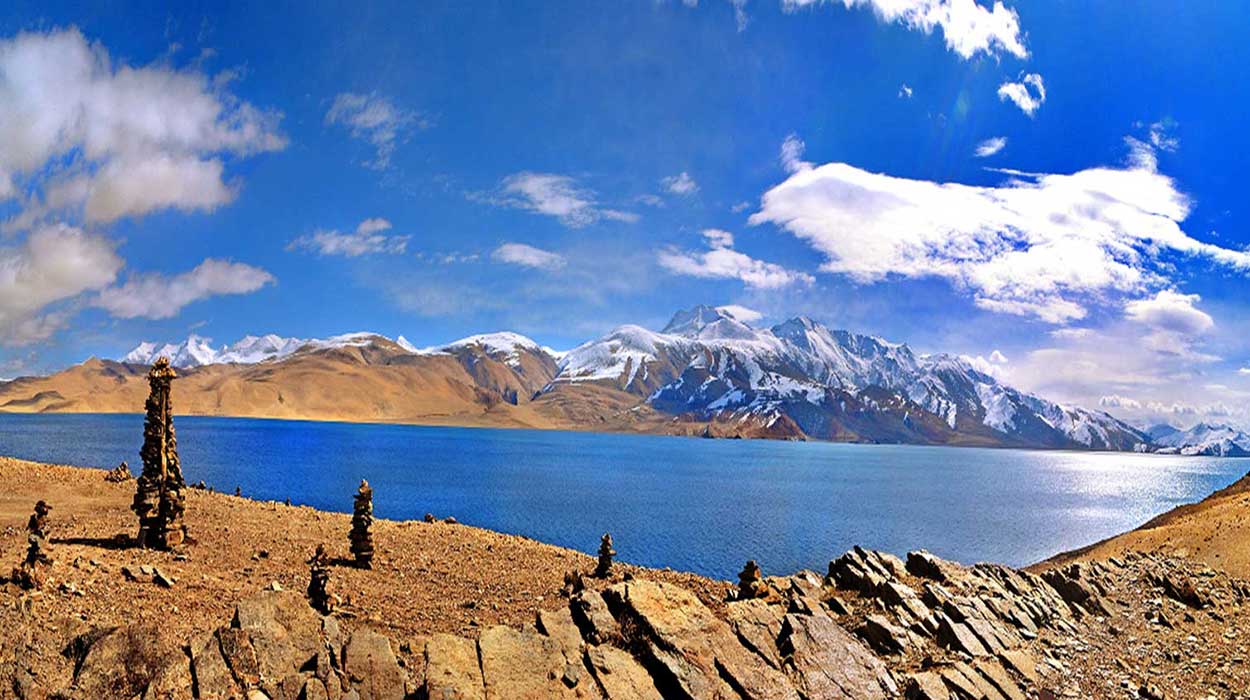
Glaciers, high mountain passes, turquoise rivers, rugged canyons, broad agricultural valleys, and snow-covered summits define the region's dramatic scenery.
Living Buddhist Heritage
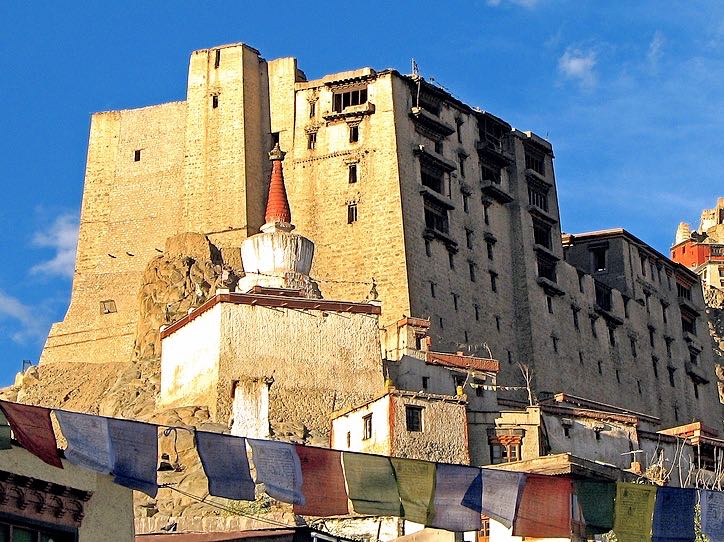
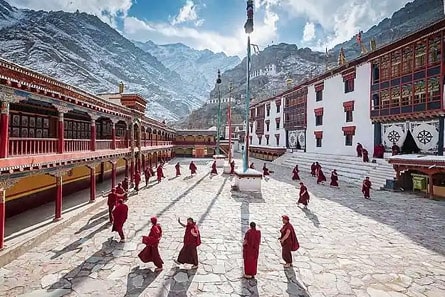
Zanskar's monasteries remain active centers of prayer, education, festivals, art, and community life rather than simply historic monuments.
Authentic Village Life
Family homestays, traditional farming communities, local cuisine, and village hospitality allow visitors to experience the region beyond its scenic viewpoints.
How to Reach Zanskar Valley
Padum is Zanskar's principal town and the most practical base for transportation, accommodations, supplies, and regional sightseeing.
This traditional approach enters Zanskar through the Suru Valley and Pensi La Pass. It offers views of Rangdum, the surrounding mountain landscape, and the impressive Drang Drung Glacier.
Many travelers divide this journey into two days, stopping in Kargil, Sankoo, or Rangdum, depending on their itinerary and road conditions.
This high-altitude route connects Himachal Pradesh with the southern side of Zanskar and is one of India's most dramatic mountain drives.
Travelers should confirm the latest road opening, bridge status, fuel availability, and local driving requirements before departure.
Developing road connections have improved access between Leh and Zanskar. Conditions, travel times, and exact routing may change as road construction continues.
Use an experienced local driver and verify the current route with a Ladakh-based travel operator before traveling.
Zanskar does not have a regular commercial airport. Most visitors fly into Leh and travel by road, while some enter through Kargil after arriving in Srinagar.
Limited helicopter services may operate under specific government, weather, or emergency arrangements, but they should not be treated as dependable tourist transportation.
Best Time to Visit Zanskar
| Season | Conditions | Best For | Important Notes |
|---|---|---|---|
| May–June | Late snow may remain on high passes, while lower valleys begin warming. | Quiet travel, photography, early-season road trips, and village experiences. | Some routes and accommodations may not yet be fully operational. |
| July–August | Generally the warmest and most accessible period, with active villages and open mountain routes. | Monasteries, trekking, rafting, road trips, festivals, and general sightseeing. | Reserve popular accommodations and transportation in advance. |
| September | Clearer skies, cooler nights, fewer visitors, and beautiful autumn colors. | Photography, cultural travel, road journeys, and quieter stays. | Nighttime temperatures may fall sharply toward the end of the month. |
| October–April | Severe cold, heavy snow, limited services, and possible road closures. | Specialized winter expeditions and professionally managed adventures. | Winter travel requires expert planning, proper equipment, and flexible logistics. |
Major Monasteries and Spiritual Sites
Spellings may vary between maps, local usage, and English transliterations. The following list covers Zanskar's principal monasteries, nunneries, and important monastic sites.
Karsha Monastery
The largest monastic complex in Zanskar, Karsha rises in tiers above the village and contains temples, assembly halls, sacred images, murals, thangkas, and residential quarters for monks. Its hillside setting provides expansive views across the Padum Valley.
Stongdey Monastery
Also written as Stongday or Stongde, this historic hilltop monastery is generally regarded as Zanskar's second-largest monastic institution. It is known for its old temples, religious artwork, annual ceremonies, and panoramic views.
Sani Monastery
One of the region's most revered religious sites, Sani is unusual because it stands on relatively level ground. Its sacred complex, ancient stupa traditions, murals, and seasonal festival make it an important cultural stop.
Phuktal Monastery
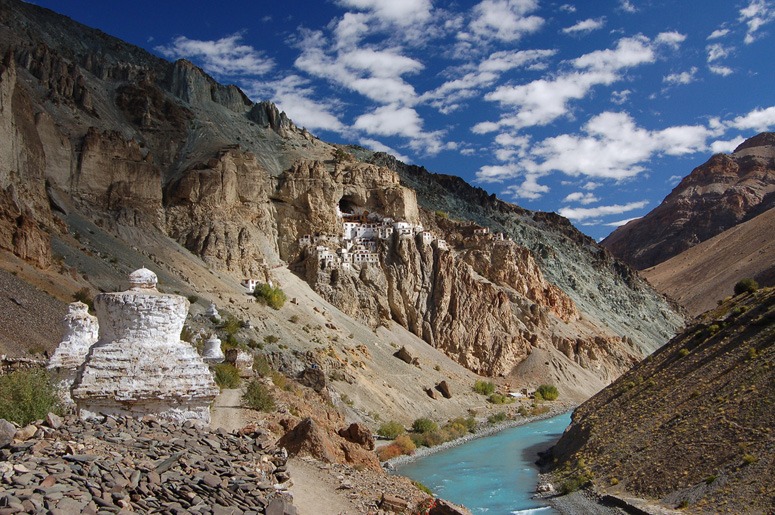
Also spelled Phugtal, this extraordinary monastery is built around a natural cave above the Tsarap River. Traditionally reached on foot from the Purne side, it is one of Zanskar's most iconic and rewarding destinations.
Bardan Monastery
Dramatically positioned above the Tsarap River, Bardan is known for its compact fortress-like architecture, monastic collection, prayer spaces, and striking setting along the road toward southern Zanskar.
Mune Monastery
Commonly written as Muney or Mune, this peaceful monastery is less visited than Zanskar's larger institutions. Its quiet atmosphere and traditional setting make it worthwhile for culturally curious travelers.
Zongkhul Monastery
Also known as Dzongkhul or Zongkul, this cave monastery is linked with the Buddhist master Naropa. It contains meditation caves, shrines, sacred objects, and old paintings in a remote mountain setting.
Stakrimo Monastery
A smaller monastic establishment near Padum, Stakrimo offers a quieter spiritual experience and insight into the everyday religious life of the local community.
Pibiting Monastery
Located close to Padum, Pibiting is recognized for its prominent hilltop setting and large stupa. It is easily combined with other cultural sites around the central valley.
Zangla Monastery and Nunnery
The Zangla area contains important Buddhist institutions, including a monastery and women's monastic community. A visit can be combined with Zangla village, its historic palace, and nearby cultural sites.
Dorje Dzong Nunnery
This traditional nunnery provides insight into the role of Buddhist women practitioners in Zanskar. Visitors should arrange visits respectfully and avoid interrupting prayers or daily activities.
Rangdum Monastery
Located on the approach between the Suru Valley and Pensi La, Rangdum is often included in Zanskar journeys. Its isolated monastery stands above a vast mountain plain and makes a memorable overnight or sightseeing stop.
What to See in Zanskar Valley
Padum
Zanskar's main town and transportation center, with markets, restaurants, accommodations, basic services, and access to nearby villages and monasteries.
Drang Drung Glacier
A vast river of ice visible from the Pensi La area and one of the most recognizable natural sights on the classic Kargil–Zanskar route.
Pensi La Pass
The traditional gateway between the Suru and Zanskar regions, offering high-mountain views, glacial scenery, and dramatic photography opportunities.
Zangla Village and Palace
A historic village north of Padum known for its old palace, agricultural landscape, Buddhist institutions, and traditional Zanskari character.
Purne Village
A beautiful settlement in the Tsarap Valley and a common base for travelers walking to Phuktal Monastery.
Cha Village
A remote village near the Phuktal trekking area, surrounded by steep mountains and traditional agricultural fields.
Zanskar and Tsarap Rivers
Powerful Himalayan rivers that create narrow gorges, remote valleys, rafting opportunities, and some of the region's most dramatic landscapes.
Shinku La Pass
A high mountain crossing connecting Zanskar with the Lahaul region, known for expansive views and an unforgettable road-trip experience.
Gonbo Rangjon
A striking sacred mountain rising above the Kargyak area, valued for both its spiritual importance and remarkable natural form.
Kargyak Village
One of southern Zanskar's scenic traditional villages and an important stop on routes connecting the valley with Shinku La.
Sani Lake and Village
A peaceful cultural landscape that can be combined with Sani Monastery and village walks.
Local Village Homestays
Staying with a local family offers an authentic introduction to Zanskari food, farming, architecture, hospitality, and daily life.
Top Experiences and Activities
Trekking
Zanskar offers everything from village walks and overnight hikes to demanding multi-day expeditions across remote passes. Popular experiences include the Phuktal route, Padum–Darcha region, Lamayuru–Zanskar routes, and trails through the Stod and Tsarap valleys.
River Rafting
The Zanskar River is known for rafting through steep gorges and remote landscapes. Trips should be booked only with experienced, properly equipped operators familiar with current water levels and rescue procedures.
Cultural Tours
Visit monasteries, attend local festivals, meet artisans, explore traditional homes, and learn how mountain communities have adapted to Zanskar's long winters and short agricultural season.
Photography
Monasteries, prayer flags, glacial valleys, traditional villages, river canyons, wildlife, and exceptionally clear night skies make Zanskar outstanding for landscape and cultural photography.
Road Expeditions
Motorcycle and four-wheel-drive journeys through Kargil, Pensi La, Shinku La, and the developing gorge roads are among the region's most exciting experiences.
Winter Expeditions
Winter travel, including frozen-river experiences, requires specialized operators, current safety assessments, proper cold weather equipment, and realistic contingency planning.
Where to Stay in Zanskar
Padum has the widest selection of accommodations and is the most convenient base for first-time visitors. Smaller villages such as Karsha, Sani, Zangla, Purne, Cha, Kargyak, and Rangdum may offer locally operated guesthouses, homestays, lodges, or seasonal camps. Facilities become simpler as you travel farther from Padum.
Book Directly With Local Owners on Ladakh.com
Discover locally owned hotels, guesthouses, homestays, camps, and travel services listed on Ladakh.com. Connecting directly with local owners can provide more personal service, destination-specific advice, and a more authentic stay while helping tourism revenue remain within Ladakh's communities.
Find Local Stays on Ladakh.comEssential Zanskar Travel Advice
- Acclimatize properly before entering remote high-altitude areas.
- Allow extra days for weather, construction, and road delays.
- Carry sufficient cash because digital payment and ATM access may be limited.
- Refuel whenever possible and confirm the next reliable fuel station.
- Download offline maps before leaving Leh, Kargil, or Padum.
- Carry warm layers, gloves, sun protection, and rain protection.
- Keep drinking water, snacks, and basic emergency supplies in your vehicle.
- Use an experienced local driver for unfamiliar mountain roads.
- Confirm mobile connectivity with your service provider before traveling.
- Never rely on a rigid schedule in remote Himalayan terrain.
- Inform your accommodation host about remote day trips or trekking plans.
- Purchase travel insurance suitable for high-altitude activities.
Help Protect Zanskar
Zanskar's environment is beautiful but fragile. Carry reusable water bottles and bags, avoid single-use plastics, never leave trash along roads or trails, and use established restrooms wherever possible. Water is a limited resource, so keep showers short and avoid unnecessary laundry.
Respect local customs, agricultural land, religious practices, and private homes. Support locally owned accommodations, guides, drivers, restaurants, and artisans whenever possible. Responsible travel helps preserve the cultural identity and natural beauty that make Zanskar extraordinary.
Zanskar Travel FAQ
How many days are recommended for Zanskar?
Allow at least three to five nights within Zanskar, plus travel time. A longer visit of seven to ten days provides more time for remote villages, monasteries, trekking, and unexpected road delays.
Can Zanskar be visited on a day trip from Leh?
No. The distances, road conditions, and high-altitude terrain make a day trip impractical and unsafe. Zanskar should be planned as a multi-day journey.
Is Zanskar suitable for families?
It can be suitable for healthy families who are comfortable with long drives, basic facilities, high altitude, and changing road conditions. Families with young children should consult a medical professional before planning extensive high-altitude travel.
Do travelers need permits?
Permit requirements may depend on nationality, route, and current government regulations. Confirm the latest requirements with local authorities or a registered Ladakh travel company before departure.
Is there reliable internet in Zanskar?
Connectivity is improving around Padum but can remain slow, inconsistent, or unavailable in remote villages and valleys. Download important documents, maps, and reservation information in advance.
Can Phuktal Monastery be reached by car?
Road access has developed in the wider region, but reaching the monastery itself generally involves walking. Trail access and starting points can change, so confirm the current approach locally before setting out.
Experience the Real Zanskar
Explore locally owned accommodations, experienced drivers, guides, trekking companies, and travel operators through Ladakh.com. Travel directly with the people who know Zanskar's roads, communities, weather, and culture best.
Start Planning on Ladakh.comAbout this guide
Published by the Ladakh.com Editorial Team to help travelers understand Ladakh and plan more carefully. Conditions involving permits, roads, weather, altitude and local access can change, so reconfirm time-sensitive information before travel. About Ladakh.com