
Sham
3300 mt
May to September
2hrs
Sham Valley and Aryan Valley Travel Guide
The western region of Ladakh offers an extraordinary journey through ancient monasteries, fertile villages, apricot orchards, historic forts and dramatic landscapes along the Indus River. Two of the most fascinating areas in this region are Sham Valley and Aryan Valley, also widely known as the Dha–Hanu or Brokpa region.
Sham Valley is easily accessible from Leh and is ideal for sightseeing, village stays, monastery visits and short treks. Aryan Valley lies farther west and offers a quieter cultural experience among the Brokpa communities, whose language, dress, festivals and agricultural traditions form a distinctive part of Ladakh's heritage.
Sham Valley
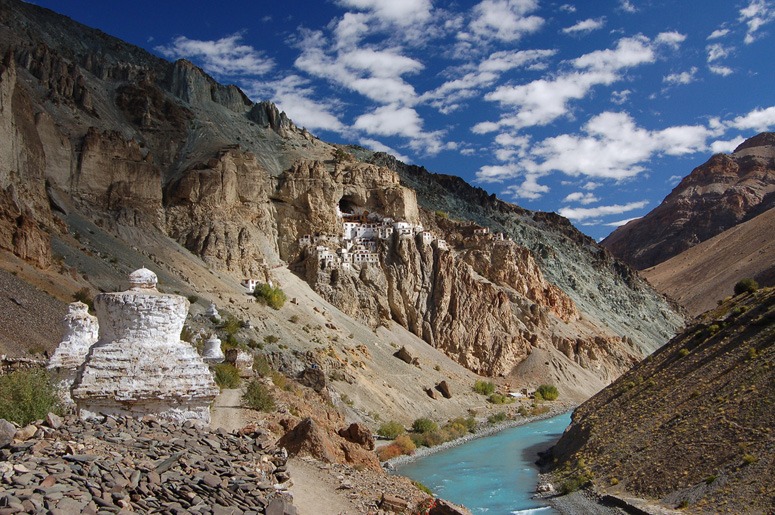
Sham Valley occupies the lower western section of Ladakh along the Indus River. It is often described as one of the gentler and greener parts of the region because of its cultivated villages, barley fields, willow and poplar groves, and abundant apricot orchards. Its relatively accessible roads and lower elevation make it a popular choice for travellers beginning their Ladakh journey.
The valley combines spectacular Himalayan scenery with some of Ladakh's most important cultural and historical sites. Visitors can explore ancient monasteries, royal ruins, traditional villages, sacred places and the confluence of two great Himalayan rivers, all within a scenic drive from Leh.
Best Places to Visit in Sham Valley
1. Hall of Fame Museum
Located near Leh, the Hall of Fame is a museum maintained by the Indian Army. Its galleries introduce visitors to Ladakh's geography, military history, high-altitude conditions, local culture and the sacrifices of Indian soldiers. It is commonly visited at the beginning or end of a Sham Valley excursion.
2. Gurudwara Pathar Sahib
Gurudwara Pathar Sahib is a peaceful Sikh shrine situated on the Leh–Kargil highway. It commemorates the visit of Guru Nanak Dev Ji to Ladakh and is respected by Sikh, Buddhist and local communities. Travellers may stop here for prayer, rest and the traditional community meal when available.
3. Magnetic Hill
Magnetic Hill is a well-known roadside attraction where the surrounding landscape creates the visual impression that vehicles are moving uphill against gravity. The effect is an optical illusion caused by the alignment of the road and nearby mountains, but it remains a fun and popular photography stop.
4. Sangam of the Indus and Zanskar Rivers
Near Nimmu, the Zanskar River meets the Indus River in a dramatic mountain gorge. Depending on the season, visitors can often distinguish the different colours of the two rivers before they merge. A viewpoint above the confluence provides excellent panoramic photographs.
Nimmu is also an important base for seasonal rafting excursions. River activities should always be arranged through experienced operators and are dependent on water levels and weather conditions.
5. Nimmu Village
Nimmu is a green village surrounded by orchards and agricultural fields. It lies close to the river confluence and provides an interesting look at traditional Ladakhi farming. The village is also a convenient refreshment and meal stop during the journey from Leh.
6. Basgo Palace and Monastery
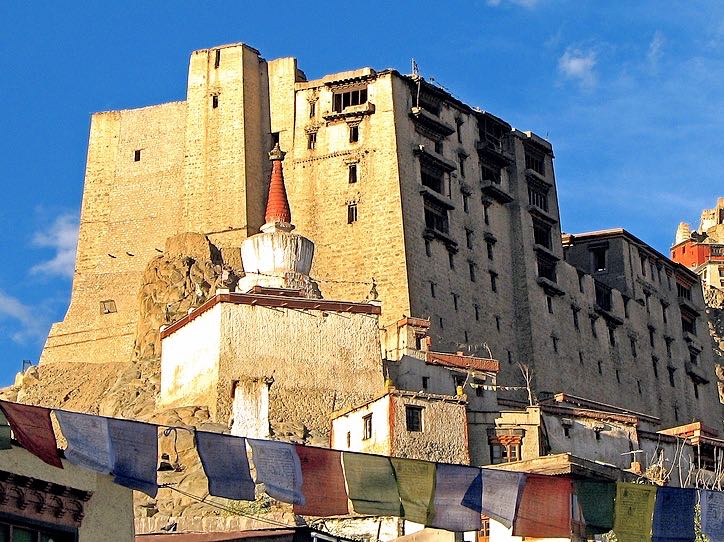
Basgo was once an important political and defensive centre of Ladakh. Its weathered fortifications and monastery buildings rise dramatically above the village on ochre-coloured cliffs. The site is particularly memorable for its historic atmosphere, mud-brick architecture and views across the surrounding fields.
The monastery complex contains sacred Buddhist images and old wall paintings. Visitors should walk carefully because some sections of the historic structures are fragile.
7. Likir Monastery
Likir Monastery stands above the fertile village of Likir and is one of the most prominent monasteries in western Ladakh. It belongs to the Gelug school of Tibetan Buddhism and is recognizable by its large outdoor Maitreya Buddha statue.
The monastery houses prayer halls, Buddhist manuscripts, religious objects, thangka paintings and traditional murals. Its elevated position provides wide views over fields, villages and layered mountain ranges.
8. Alchi Monastery Complex
Alchi is one of Ladakh's most significant cultural sites. Unlike many Ladakhi monasteries built on hilltops, the Alchi complex stands on relatively flat ground near the Indus River. It is celebrated for its ancient temples, detailed woodwork, sculptures and remarkable wall paintings.
The artistic style seen at Alchi reflects cultural connections that once existed between Ladakh, Kashmir and the wider Himalayan region. Photography may be restricted inside the temples, and visitors should follow all instructions given by the monastery caretakers.
9. Saspol Caves
The caves above Saspol village contain old Buddhist paintings and meditation chambers. Reaching them requires a short uphill walk, but the location rewards visitors with fascinating artwork and broad views of the Indus Valley.
As the caves are delicate heritage structures, visitors should avoid touching the paintings, lighting candles inside or damaging the walls.
10. Rizong Monastery
Rizong Monastery is hidden within a narrow rocky valley north of the main highway. Known for its peaceful setting and disciplined monastic tradition, it offers a quieter experience than many monasteries located along the main tourist route.
A nunnery associated with the monastery is situated nearby. Visitors are expected to maintain silence and respect the daily religious activities of the monks and nuns.
11. Uleytokpo
Uleytokpo is a peaceful riverside area surrounded by orchards and mountain scenery. It has become a popular overnight stop for travellers exploring western Ladakh. Accommodation includes camps, cottages, guesthouses and small resorts.
The area is suitable for relaxed walks, stargazing, reading, photography and enjoying the quiet atmosphere of rural Ladakh.
12. Mangyu Monastery
Mangyu is a less-visited village with a historic temple complex containing old Buddhist paintings and sculptures. Its remote setting makes it especially appealing to travellers interested in heritage, traditional architecture and places away from larger sightseeing groups.
13. Tingmosgang
Tingmosgang, also written as Temisgam, is one of the most beautiful villages in Sham Valley. Green fields, apricot orchards and traditional homes lie below the ruins of an old royal palace and monastery.
The village makes an excellent overnight base and is also connected with the popular Sham Valley village trek.
14. Tia Village
Tia is a traditional village known for its cultivated landscape, old houses, narrow lanes and peaceful rural environment. A village walk offers visitors an opportunity to observe irrigation channels, agricultural fields and everyday Ladakhi life.
15. Lamayuru Monastery and Moonland
Although Lamayuru lies beyond the central Sham Valley circuit, it is often included in an extended western Ladakh journey. Lamayuru Monastery is one of the region's most famous religious centres and stands above a village surrounded by extraordinary eroded mountains.
The pale, sculpted terrain below the monastery is popularly called Moonland because of its unusual lunar appearance. The best views are available from the roadside viewpoints and the monastery area.
The Sham Valley Trek
Sham Valley is also known for a relatively moderate village trek, sometimes called the introductory or baby trek of Ladakh. The route usually connects villages such as Likir, Yangthang, Hemis Shukpachan and Tingmosgang.
Although it is considered easier than many high-altitude Ladakh treks, it still crosses mountain passes and requires proper acclimatization. Trekkers stay in village homestays, walk through barley fields and orchards, and experience local hospitality along the way.
Likir → Yangthang → Hemis Shukpachan → Tingmosgang
Accommodation in Sham Valley
Sham Valley offers a broad range of accommodation. Alchi, Uleytokpo and Lamayuru have hotels, guesthouses, camps and resorts, while villages such as Likir, Yangthang, Hemis Shukpachan, Tia and Tingmosgang provide family-run guesthouses and traditional homestays.
Village homestays offer a more personal experience and may include simple rooms, home-cooked meals and opportunities to learn about local agriculture and culture. Facilities in smaller villages can be basic, so travellers should not expect the same services available in Leh.
Aryan Valley: Dha–Hanu and the Brokpa Villages
Aryan Valley is the widely used tourism name for the culturally distinctive Dha–Hanu region of western Ladakh. The area includes Brokpa or Brogpa communities living in villages such as Dha, Hanu, Garkone and Darchik along and near the Indus River.
The region lies at a lower elevation than Leh and enjoys a comparatively warmer climate. Its villages are therefore rich in apricot, walnut and other fruit trees. In summer, the contrast between green orchards, deep river gorges and barren mountain walls creates one of western Ladakh's most striking landscapes.
The Brokpa people possess their own cultural traditions, language, ceremonial clothing, songs and agricultural customs. Visitors should approach the area as guests of a living community rather than treating local people or traditional dress as a spectacle.
Best Places to Visit in Aryan Valley
1. Dha Village
Dha is one of the best-known Brokpa villages and is surrounded by terraced fields, apricot trees and steep mountains. A walk through the village reveals traditional houses, irrigation channels, small shrines and cultivated gardens.
Visitors may have opportunities to learn about farming, local food, language and ceremonial traditions through a village guide or homestay family. Always request permission before photographing residents, houses or religious events.
2. Hanu Village
Hanu consists of settlements commonly identified as Lower Hanu and Upper Hanu. The villages lie away from the main Indus highway in a side valley, creating a quieter and more secluded atmosphere.
The journey to Hanu passes rocky gorges, small agricultural settlements and mountain streams. The area is ideal for slow travel, village walks and travellers interested in rural life rather than conventional sightseeing.
3. Garkone Village
Garkone is a picturesque Brokpa village surrounded by fruit orchards and cultivated terraces. Traditional homes and narrow village paths create a strong sense of place, while the surrounding cliffs provide a dramatic natural background.
During the apricot season, visitors can see fruit harvesting, drying and traditional processing. Locally produced dried apricots, kernels, juice, preserves and apricot oil may be available from village households or community groups.
4. Darchik Village
Darchik is another important Brokpa settlement farther along the western Indus corridor. The village is known for its orchards, traditional agricultural landscape and cultural continuity.
Darchik is less frequently visited than Dha, making it suitable for travellers seeking a peaceful and community-based experience. Access and visitor permissions should be confirmed before travelling.
5. Indus River Valley
Much of the Aryan Valley journey follows the Indus River through a narrow mountain corridor. The road presents changing views of rocky cliffs, cultivated terraces, villages and patches of greenery beside the river.
Travellers should stop only at safe roadside areas because some sections are narrow and may be affected by falling rocks or road maintenance.
6. Apricot Orchards
Apricots are central to the landscape and economy of the region. Spring brings delicate white and pink blossoms, while summer and early autumn bring fresh fruit and harvesting activity.
Visitors can support local families by purchasing authentic village products, but should never enter private orchards or pick fruit without the owner's permission.
7. Brokpa Cultural Experiences
Traditional Brokpa clothing is especially notable for elaborate floral headdresses, woollen garments, jewellery, shells and beads worn during festivals and ceremonial occasions. Folk songs, dances and oral traditions remain important parts of community life.
Cultural performances should preferably be arranged through local village organizations or responsible guides so that the community is fairly compensated and the experience remains respectful.
8. Apricot Blossom Celebrations
During spring, different villages across western Ladakh celebrate the flowering of apricot trees through local cultural programs, food stalls, music and dance. Blossom timing varies each year according to altitude, winter snowfall and spring temperatures.
Travellers planning an April visit should confirm the current festival calendar and road conditions before departure because dates are announced separately for each season.
Culture and Responsible Travel
Aryan Valley is not simply a sightseeing destination; it is the homeland of small communities with deeply rooted cultural and spiritual traditions. Visitors should dress respectfully, avoid entering private homes or fields without an invitation, and ask permission before taking portraits.
Travellers should avoid repeating sensational stories about local ancestry, marriage customs or so-called racial purity. Such claims are often inaccurate, intrusive and disrespectful. The most rewarding experience comes from listening to residents and learning about the community through locally guided visits.
Accommodation in Aryan Valley
Accommodation is more limited than in Sham Valley. Selected villages offer simple homestays and guesthouses with basic rooms and home-cooked meals. Electricity, mobile coverage, internet access and hot water may be limited or intermittent.
Travellers seeking greater comfort may stay in Alchi, Uleytokpo, Khaltse or nearby parts of western Ladakh and visit the Brokpa villages during the day. However, an overnight homestay provides a more meaningful opportunity to understand village life.
Suggested Travel Routes
One-Day Sham Valley Excursion
This is suitable for visitors with limited time. It covers the major roadside attractions but does not allow enough time for Alchi, Likir and the farther western villages.
Two-Day Sham Valley Tour
Day 2: Alchi → Rizong → Uleytokpo → Tingmosgang → Leh
This route provides a better balance of monastery visits, village scenery and relaxed travel. An overnight stay in Alchi or Uleytokpo is recommended.
Three-Day Sham and Aryan Valley Tour
Day 2: Alchi → Khaltse → Dha → Garkone or another permitted Brokpa village
Day 3: Village exploration → Uleytokpo or Lamayuru → Leh
A three-day journey allows visitors to spend meaningful time in both regions without rushing. The exact villages included should depend on current access rules, road conditions and accommodation availability.
Four-Day Cultural Journey
Day 2: Alchi → Rizong → Tingmosgang → Khaltse
Day 3: Dha → Hanu or Garkone → Village homestay
Day 4: Return through Lamayuru and Moonland → Leh
Practical Travel Information
Best Time to Visit
The main travel season is from May to October. June through September normally provides the easiest road access and the widest choice of accommodation.
Apricot Blossom Season
Blossoms generally appear during spring, but exact timing varies by village, altitude and weather. Confirm the current year's schedule before planning a blossom-focused journey.
Summer Fruit Season
Fresh apricots and other local produce are commonly available during the warmer months. Harvest timing can differ across the valley.
Winter Travel
Winter journeys may be possible, but accommodation, transport and services are limited. Snow, ice and road closures can affect travel.
Permits and Identification
Most of the standard Sham Valley route, including Alchi, Likir, Basgo and Lamayuru, is generally accessible as part of the normal Leh–Kargil road journey. Travel to Dha, Hanu and other restricted border-region villages may require permits and identity documents.
Altitude and Acclimatization
Although much of Sham and Aryan Valley is lower than the high passes and eastern lakes of Ladakh, travellers should still acclimatize properly in Leh before undertaking long excursions. Spend the first day or two resting, drink sufficient water, avoid heavy exercise and limit alcohol.
Anyone experiencing severe headache, breathlessness at rest, confusion, loss of coordination or persistent vomiting should descend and seek medical assistance.
Road Conditions and Transportation
The main highway west of Leh is generally one of Ladakh's better road corridors, but side roads leading into remote villages may be narrow, rough or affected by construction and landslides. Travel times can be longer than expected.
A private taxi with a local driver is the most convenient option for sightseeing. Motorcyclists and self-drive travellers should verify current vehicle regulations, fuel availability and road conditions before departure.
Food and Local Products
Larger settlements and highway stops offer simple restaurants serving Ladakhi, Tibetan and North Indian dishes. Smaller villages may provide meals through homestays with advance notice.
- Fresh and dried apricots
- Apricot juice, jam and preserves
- Locally produced apricot kernel oil
- Traditional Ladakhi bread and butter tea
- Thukpa and other noodle dishes
- Home-cooked barley and vegetable meals
What to Carry
- Valid identification and required permits
- Warm layers, even during summer
- Sun hat, sunglasses and high-protection sunscreen
- Reusable water bottle
- Personal medicines and a basic first-aid kit
- Cash, because card and ATM services may be unavailable
- Power bank and spare camera batteries
- Comfortable walking shoes
- Small reusable bag for personal rubbish
Responsible Travel Guidelines
- Ask permission before photographing local residents.
- Do not photograph inside monasteries where it is prohibited.
- Dress modestly when entering villages, temples and monasteries.
- Do not touch murals, statues, manuscripts or sacred objects.
- Walk clockwise around Buddhist stupas and prayer structures.
- Avoid single-use plastic and carry all rubbish back with you.
- Use local homestays, guides, drivers and village products where possible.
- Do not enter orchards, fields or private houses without permission.
- Keep music and noise low in villages and religious areas.
- Never fly a drone without checking local and security regulations.
Why Visit Sham Valley and Aryan Valley?
Sham Valley and Aryan Valley reveal a quieter and more culturally layered side of Ladakh. Sham Valley introduces travellers to ancient monasteries, royal ruins, riverside villages, green orchards and some of the region's most accessible landscapes. Aryan Valley continues the journey into remote Brokpa settlements, where fruit cultivation, local language, ceremonial traditions and village life have developed in a distinctive environment along the Indus River.
Together, the two valleys offer an exceptional combination of Himalayan scenery, Buddhist heritage, traditional agriculture, village hospitality and living culture. Travelling slowly and respectfully allows visitors to experience much more than a series of roadside attractions—it provides a deeper understanding of the people, history and landscapes of western Ladakh.
Travel times, permits, road access, festival dates and available accommodation can change. Confirm current conditions before departure.
About this guide
Published by the Ladakh.com Editorial Team to help travelers understand Ladakh and plan more carefully. Conditions involving permits, roads, weather, altitude and local access can change, so reconfirm time-sensitive information before travel. About Ladakh.com