General information about Ladakh
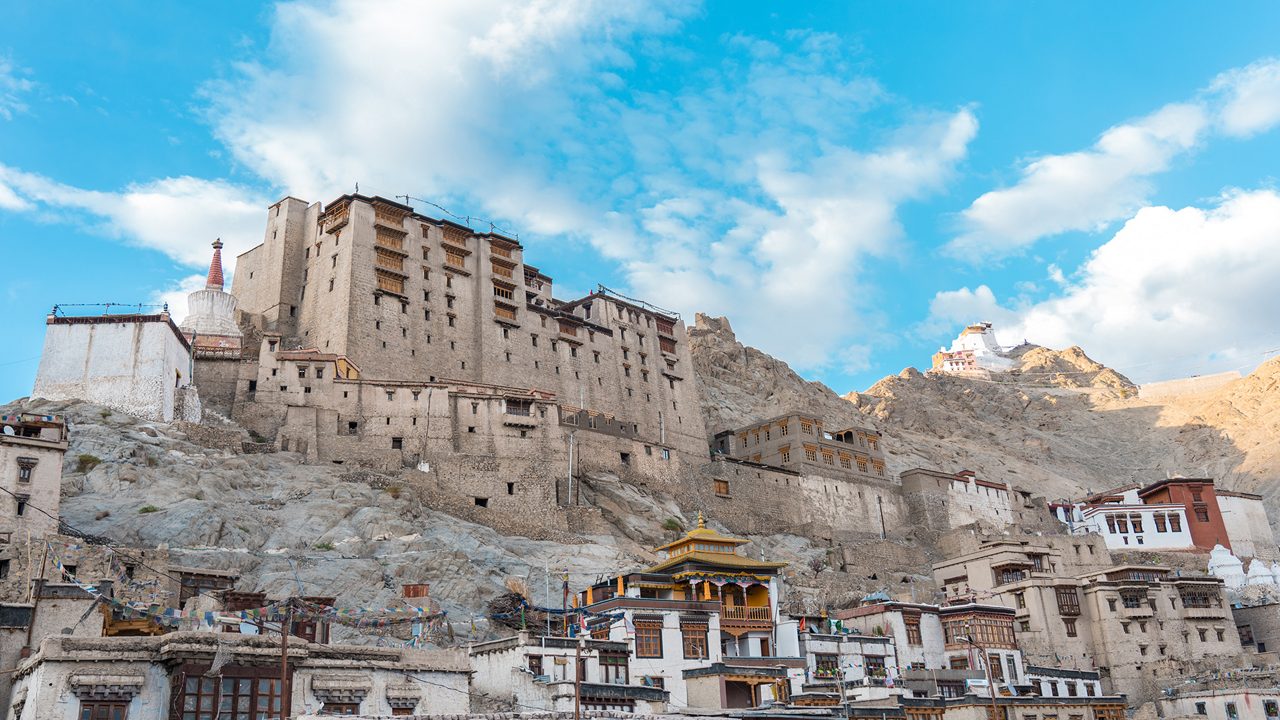
Everything you need to know before visiting Ladakh—from Leh's old lanes and living monasteries to mountain wildlife, classic treks, local food, memorable restaurants and trusted local services.
This guide is published for trip planning and local understanding. Where permits, health, roads, weather or other changing conditions matter, reconfirm important details before travel. Learn about our editorial approach.
The Complete Ladakh Travel Guide
Everything you need to know before visiting Ladakh—from Leh's old lanes and living monasteries to mountain wildlife, classic treks, local food, memorable restaurants and trusted local services.
General Information About Ladakh
Ladakh is often introduced as the Land of High Passes, but those words describe only the geography. To understand Ladakh, one must also understand the lives shaped by altitude, the villages sustained by glacial water, the monasteries that still guide community life, and the hospitality that turns a remote mountain journey into a personal experience.
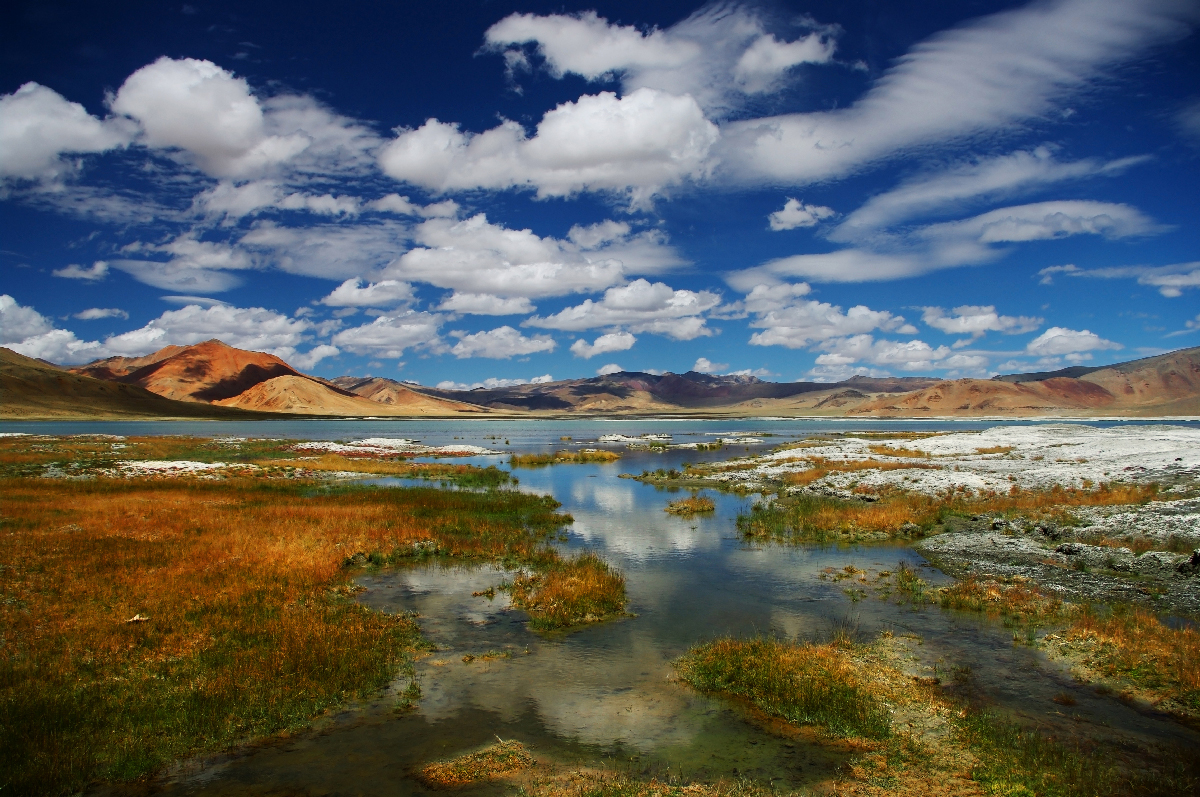
Set between the Greater Himalaya and the Karakoram, Ladakh is a high-altitude cold desert with deep river valleys, broad plateaus and mountain ranges that appear to change colour throughout the day. Leh, the principal town, stands at roughly 3,500 metres above sea level and is the natural starting point for most journeys. From here, roads spread towards Nubra Valley, Pangong Lake, Changthang, Sham Valley, Kargil and Zanskar.
For centuries, Ladakh occupied an important place on trade routes connecting the Indian subcontinent with Tibet and Central Asia. Caravans carried pashmina wool, salt, tea, grain, silk and precious goods across difficult passes. The movement of merchants, monks and travellers left its mark on local architecture, food, language, art and religious life. Leh's old caravan neighbourhoods, traditional homes and market lanes still carry traces of that history.
Ladakh's landscape may look austere, yet its inhabited valleys are carefully cultivated. Barley, peas, mustard, vegetables and fruit grow where communities have channelled meltwater through traditional irrigation systems. Apricot and apple orchards soften villages in spring and summer, while poplar and willow trees provide shade, building material and protection from the wind.
Best general season
Late May to September offers the easiest access for first-time visitors, open roads and a full range of hotels, guest houses and local services.
Altitude first
Keep your first day in Leh restful. Avoid rushing directly to a higher pass or lake immediately after flying in.
Travel slowly
Distances can be deceptive. Mountain roads, weather and photo stops mean journeys often take longer than expected.
Best time to visit
Summer is the easiest season for broad exploration. Roads across major passes are usually operational, trekking routes become accessible and villages are at their liveliest. September is especially rewarding for clear skies, quieter attractions and beautiful autumn colour. Winter is a specialist season for cultural travel, frozen landscapes and wildlife tracking, but it demands better preparation and flexibility.
Altitude and acclimatization
Altitude should be treated with respect, not fear. After arriving in Leh, rest, hydrate, eat lightly and avoid strenuous activity during the first 24 to 48 hours. Headache, unusual fatigue, poor sleep and nausea can be early signs that the body is struggling to adjust. Symptoms that worsen, breathlessness at rest, confusion or loss of coordination require urgent medical attention and descent. A blog guide cannot replace professional medical advice, particularly for travellers with existing health conditions.
Responsible travel
Ladakh's environment is fragile and water is limited. Carry a refillable bottle, avoid unnecessary plastic, use water carefully, do not drive off established tracks, and never disturb wildlife for photographs. Choosing locally owned hotels, guest houses, homestays, restaurants, guides and travel agencies keeps more tourism income within Ladakh's communities.
Places to Visit in Leh
Leh is more than a transit point. Give it at least two unhurried days and the town begins to reveal layers of royal history, old trade quarters, Buddhist landmarks, local food and contemporary Ladakhi life.
Leh Palace
Rising above the old town, Leh Palace is one of the city's defining landmarks. Its massive earthen walls and tiered form reflect the architectural tradition shared across the western Himalaya and Tibetan cultural region. The palace rewards visitors not only with history but also with broad views over Leh, the Indus Valley and the mountains beyond. Go slowly through the darker interiors and climb carefully; the atmosphere is part of the experience.
Shanti Stupa
Shanti Stupa is best visited in the softer light of morning or late afternoon. From its hilltop setting, visitors can see how Leh spreads from its old agricultural neighbourhoods into newer parts of town. The stupa is a place of worship, so quiet behaviour and respectful dress are appropriate even when the viewpoint is busy.
Main Bazaar and the Central Asian Museum
Leh's Main Bazaar is the social heart of the town, bringing together residents, visitors, cafés, shops and small businesses. Nearby, the Central Asian Museum helps place Ladakh within the wider story of trans-Himalayan trade. Together, the bazaar and museum explain why Leh developed as a meeting point rather than an isolated mountain settlement.
Sankar, Namgyal Tsemo and the upper town
The upper neighbourhoods offer a quieter view of Leh. Sankar Monastery remains an active religious site, while Namgyal Tsemo sits dramatically above the town. The ascent is best taken slowly because of altitude, but the changing perspective over Leh makes it worthwhile.
Hall of Fame
The Hall of Fame presents military history, regional geography and information about life in Ladakh's demanding high-altitude environment. It is useful for visitors interested in the strategic significance of the region and the challenges faced by those serving in extreme conditions.
Local markets and neighbourhood walks
Do not limit yourself to headline monuments. Walk through smaller lanes, visit a local bakery, observe traditional houses and spend time in the vegetable market. Leh is most memorable when experienced as a living town rather than a checklist of attractions.
Festivals of Ladakh
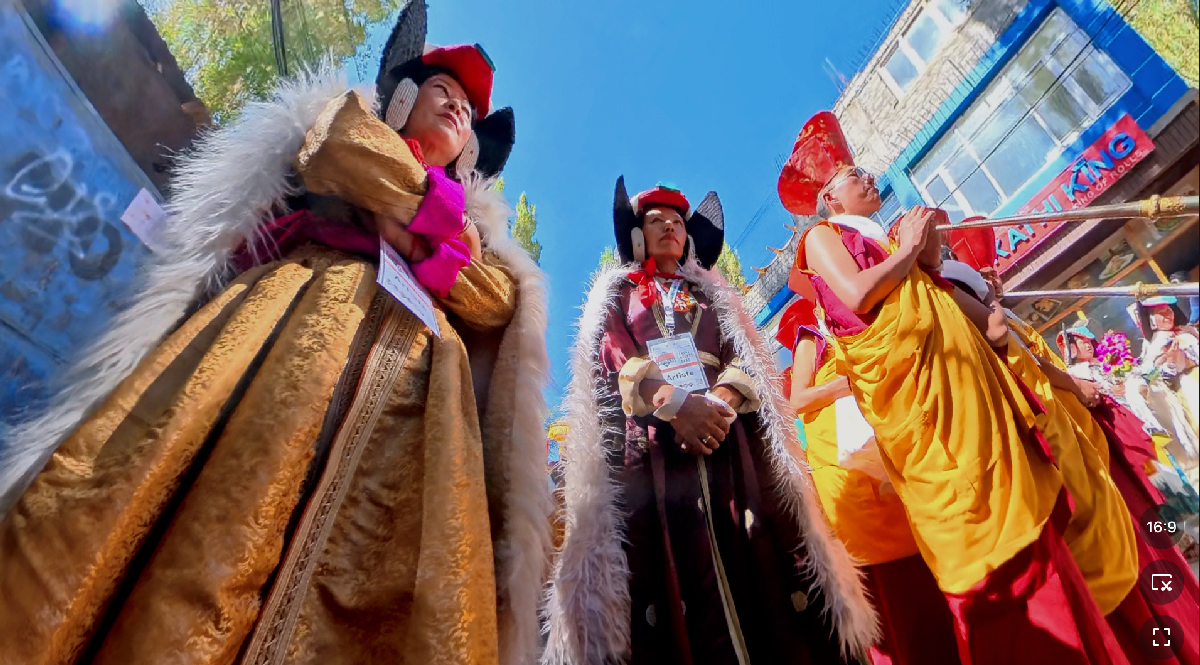
Ladakh's festivals are not performances created for tourism. They are living religious and community occasions shaped by monastery calendars, agricultural cycles and local tradition.
Monastic festivals often feature elaborate masked dances known as cham. Their costumes, music and movements carry religious meaning, presenting stories of protection, impermanence and the triumph of wisdom over harmful forces. Visitors are welcome at many festivals, but should remember that the monastery courtyard remains a sacred space.
Hemis Festival
Held at Hemis Monastery, this is Ladakh's best-known monastic festival. Its scale attracts large crowds, so arrive early and be prepared for traffic. The value of the festival lies not only in the visual spectacle but in seeing a major monastery tradition still actively practiced.
Dosmochey
Celebrated in Leh and at selected monasteries, Dosmochey is associated with ritual protection and the removal of obstacles. Winter timing gives it a very different atmosphere from summer festivals.
Matho Nagrang
Matho Monastery's festival is particularly important for its oracular tradition. It is a serious religious occasion and deserves thoughtful, respectful attendance.
Yuru Kabgyat
Held at Lamayuru, the festival combines dramatic cham dances with one of Ladakh's most striking monastery settings.
Takthok Festival
The cave setting and distinctive spiritual history of Takthok make its festival different in mood from events at larger monasteries.
Losar
Ladakhi New Year is a season of household preparation, religious observance, family visits and community celebration rather than a single public event.
Festival dates can shift according to the Tibetan lunar calendar and local decisions. Confirm exact dates shortly before travel through local authorities, monasteries or an experienced Ladakhi travel agent.
Wildlife of Ladakh
The apparent emptiness of Ladakh is deceptive. Its mountains, wetlands and plateaus support wildlife that has adapted to cold, wind, scarce vegetation and enormous seasonal change.
Snow leopard
The snow leopard is Ladakh's most celebrated wild animal, but sightings are never guaranteed. Winter tracking journeys rely on expert local spotters who read movement through tracks, prey behaviour and long familiarity with the terrain. Ethical viewing requires distance, patience and a refusal to crowd or chase an animal.
Ibex, bharal and urial
Himalayan ibex inhabit steep, rocky country, while bharal—or blue sheep—are important prey for snow leopards. Ladakh urial favour lower open slopes and valleys. Each species is easier to appreciate when viewed through binoculars rather than approached closely.
Kiang and the Changthang Plateau
The Tibetan wild ass, known as kiang, is one of the characteristic animals of Changthang. Watching a herd move across the open plateau gives a sense of the enormous scale of eastern Ladakh.
Birdlife and wetlands
Tso Moriri, Tso Kar and other wetlands are important for migratory and resident birds. Black-necked cranes are among the most treasured species, while bar-headed geese, brahminy ducks, grebes, raptors and other high-altitude birds can also be observed. Nesting areas must be given generous space, particularly during breeding season.
Marmots and smaller wildlife
Himalayan marmots are commonly seen near roads and meadows, but feeding them changes their natural behaviour and can harm their health. Red foxes, pikas and woolly hares are also part of Ladakh's ecosystem, though often overlooked.
Ten Memorable Treks in Ladakh
Trekking in Ladakh is not simply a physical challenge. It is a journey through villages, grazing grounds, river valleys and mountain passes where landscape and culture remain closely connected.
| Trek | Character | General level | Why choose it |
|---|---|---|---|
| Markha Valley | Villages, monasteries, river crossings and high passes | Moderate to challenging | A classic introduction to multi-day trekking in Ladakh |
| Sham Valley | Lower-altitude villages and gentle passes | Easy to moderate | Good for shorter schedules and first-time trekkers |
| Rumtse to Tso Moriri | High plateaus, remote camps and lakes | Challenging | Expansive Changthang landscapes and solitude |
| Lamayuru to Chilling | Ancient trails and dramatic passes | Moderate to challenging | Links a famous monastery landscape with the Zanskar River region |
| Phyang to Hunder | High pass crossing into Nubra | Challenging | A powerful transition between contrasting valleys |
| Hemis to Tso Moriri | Remote mountain country | Challenging | Long wilderness journey towards the Changthang lakes |
| Padum to Lamayuru | Historic Zanskar route | Challenging | A major Himalayan traverse with cultural depth |
| Rangdum to Padum | Broad valleys and remote settlements | Moderate to challenging | A quieter approach into Zanskar |
| Stok to Matho | Compact high-pass trek near Leh | Moderate | Useful for experienced walkers with limited time |
| Snow Leopard winter trek | Tracking-based winter walking | Cold-weather specialist | Wildlife-focused journey with local trackers |
Trek difficulty depends on more than distance. Altitude, river levels, pass conditions, weather, pack weight and individual acclimatization all matter. Routes and access can also change. Use an experienced local trekking operator, carry appropriate insurance and never underestimate the need for contingency days.
Plan a trek with local expertise
Connect with Ladakhi travel agents and guides who understand current trail conditions, acclimatization, logistics and community-based trekking.
Ten Ladakhi Dishes and Drinks to Try
Ladakhi food developed in response to altitude, cold winters, limited water and a short growing season. Its best dishes are comforting, practical and closely tied to local grain, dairy and seasonal produce.
1. Skyu
A nourishing stew built around thumb-shaped pieces of wheat dough, vegetables and sometimes meat. It is one of the most recognizably Ladakhi comfort foods.
2. Chhutagi
A rich, warming pasta-style soup with bow-shaped dough pieces. Recipes vary by household and season.
3. Thukpa
Noodle soup found across the Himalayan region. In Ladakh it is especially welcome on cold evenings or after a long day outside.
4. Momos
Steamed or fried dumplings filled with vegetables or meat. They are widely available, though quality varies greatly from place to place.
5. Khambir
A round local bread, traditionally enjoyed with tea, butter, eggs, vegetables or apricot preserves.
6. Tingmo
A soft steamed bread that pairs well with stew, dal or vegetable dishes.
7. Paba and tangtur
A traditional combination using roasted barley flour and a yoghurt-based accompaniment. It offers a more direct connection to older Ladakhi foodways.
8. Butter tea
Known locally as gur-gur cha, this salted tea is churned with butter. Its flavour may surprise first-time visitors, but it reflects the nutritional needs of mountain life.
9. Apricot products
Ladakhi apricots appear as fresh fruit, juice, jam, kernels, dried fruit and oil. Flavour and availability depend strongly on the season.
10. Chhang
A traditional fermented barley drink served in some homes and cultural settings. Consume respectfully and avoid alcohol during early acclimatization.
For the best experience, do not look only for a polished restaurant version. A meal in a village homestay or family guest house can offer a more personal taste of Ladakh, especially when prepared with local vegetables, barley and apricots.
Where to Eat: Restaurants and Cafés in Leh
Leh's dining scene has grown far beyond the basic traveller cafés of earlier decades. Visitors can now choose between Ladakhi, Tibetan, Indian, Kashmiri, Himalayan, continental, bakery and specialty-coffee experiences.
Rather than declaring one permanent list of “best” restaurants—which can quickly become outdated—use the following categories to choose well. Opening dates, menus and seasonal hours change frequently, especially outside the main summer months.
For traditional Ladakhi food
Look for restaurants that prepare skyu, chhutagi, paba, tangtur and khambir rather than offering only momos and thukpa. Ask whether local dishes need to be ordered in advance; slower preparation is often a sign that the kitchen is making them properly.
For Tibetan and Himalayan comfort food
Leh has many dependable kitchens serving momos, thukpa, shapta, tingmo and noodle dishes. These are excellent choices during cool evenings and after outdoor excursions.
For coffee, breakfast and bakery food
The Main Bazaar and surrounding lanes have numerous cafés offering espresso drinks, breakfast bowls, eggs, pancakes, fresh bread and baked goods. Choose places that use safe drinking water and handle dairy products carefully.
For a refined local dining experience
Several newer restaurants reinterpret Ladakhi ingredients in contemporary ways, using buckwheat, barley, local greens, sea buckthorn and apricots. These venues can be a good introduction for travellers who want regional flavours in a more modern setting.
For village and homestay meals
Outside Leh, the most memorable meals are often served where you stay. Nubra, Sham Valley, Turtuk, Changthang and Zanskar each offer variations shaped by local agriculture and culture. Inform hosts in advance about allergies or dietary restrictions, as replacement ingredients may be difficult to find in remote places.
Discover places to eat through Ladakh.com
Browse Ladakh.com for local restaurants, cafés, hotels and guest houses, and connect directly with businesses serving travellers across Ladakh.
Traditional Dress of Ladakh
Traditional clothing in Ladakh reflects climate, craft, status, community and ceremony. It should be understood as living cultural heritage, not merely as a costume for photographs.
Goncha
The goncha is a long robe traditionally made from wool and tied at the waist with a sash. Its practical form offers warmth and freedom of movement, while fabric and finishing can vary according to occasion and household.
Perak
The perak is one of Ladakh's most recognizable ceremonial headdresses, traditionally decorated with rows of turquoise and associated with family heritage and status. Genuine peraks are culturally significant objects, often passed through generations.
Warm layers, boots and ceremonial details
Traditional outfits may include sheepskin-lined garments, woven belts, jewellery and boots suited to the climate. Different communities and valleys have their own variations. Festival clothing is particularly elaborate and should be photographed respectfully.
Ten Buddhist Monasteries to Visit in Ladakh
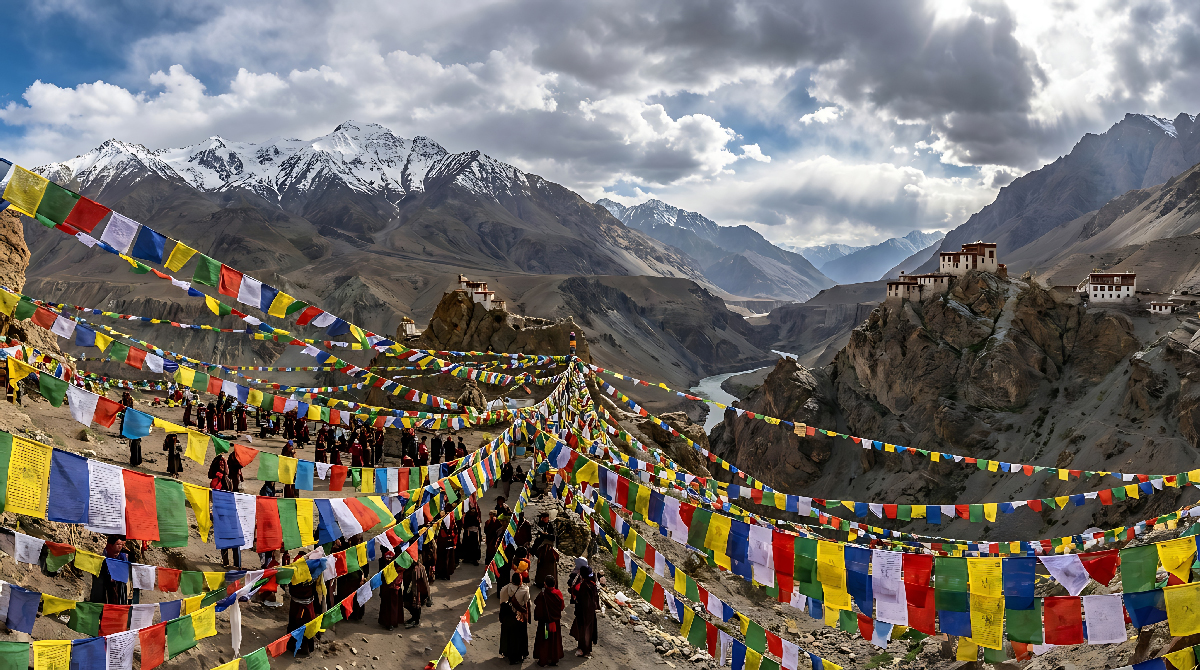
Ladakh's monasteries are active centres of worship, learning and community memory. Visit them slowly, look beyond the main assembly hall, and remember that sacred objects and murals are not museum displays.
1. Hemis
One of Ladakh's most prominent monasteries, known for its festival, large courtyard and rich collection of religious art.
2. Thiksey
A dramatic multi-level complex overlooking the Indus Valley. Morning prayers offer a deeper experience than a rushed midday visit.
3. Alchi
Celebrated for early wall paintings and woodwork that differ markedly from many later Ladakhi monasteries. Photography restrictions protect delicate interiors.
4. Lamayuru
An ancient monastery in a spectacular eroded landscape, often visited en route between Leh and Kargil.
5. Diskit
The principal monastery of Nubra Valley, overlooking the valley and associated with a large modern Maitreya statue.
6. Likir
A significant monastery in Sham Valley with a long history and strong visual presence above the village.
7. Phyang
Set west of Leh, Phyang combines an active monastic community with commanding views and an important festival tradition.
8. Matho
Known for the Matho Nagrang festival and a distinctive spiritual tradition within Ladakh.
9. Spituk
Close to Leh and the airport, Spituk offers both religious interest and striking views over the Indus Valley.
10. Takthok
Notable for its cave setting and association with the Nyingma tradition, making it unlike many other monasteries in Ladakh.
Dress modestly, remove hats where requested, keep your voice low, do not touch religious objects and always ask before photographing interiors. Some spaces may close during prayers or private rituals.
A Heritage Walk Through Leh Old Town
The best way to understand Leh is on foot. A heritage walk reveals how royal power, trade, religion, water and domestic life once fitted together within a compact mountain town.
- Begin in the Main Bazaar: Notice how the modern commercial centre still occupies the historic heart of Leh.
- Visit the Central Asian Museum area: Use the exhibits and surrounding lanes to imagine the caravan period.
- Enter the old residential lanes: Look for thick earthen walls, timber details, inward-facing courtyards and small religious structures.
- Walk towards Leh Palace: The rising route shows the old relationship between town, palace and defensive high ground.
- Continue towards Namgyal Tsemo if acclimatized: The climb is steep, but the view clarifies the geography of Leh and the Indus Valley.
- Return through a different lane: Old towns are best understood through variation rather than a single direct route.
Traditional buildings are vulnerable to neglect, inappropriate redevelopment and heavy seasonal pressure. Walk quietly, avoid entering private courtyards without permission, and consider joining a knowledgeable local guide who can explain architectural details and family histories.
See Leh through local eyes
A local guide can turn a pleasant walk into a meaningful introduction to trade history, architecture, Buddhism and everyday life in the old town.
Where to Stay in Ladakh
Accommodation is part of the journey. The right place to stay can provide rest, local knowledge, good food and the reassurance of hosts who understand altitude and regional travel conditions.
Hotels in Leh
Leh offers everything from practical mid-range hotels to boutique properties and high-end retreats. Choose according to location as much as category. The Main Bazaar is convenient, quieter neighbourhoods offer more space, and properties slightly outside the centre may have better mountain views.
Guest houses
Family-run guest houses remain one of the best ways to experience Ladakhi hospitality. Many include gardens, home-cooked food and personal help with local arrangements. They are often better suited to slower travel than large anonymous hotels.
Homestays
Village homestays provide cultural connection and direct support to local households. Facilities may be simple, but the experience of eating with a family and understanding village life can become a highlight of the journey.
Camps and remote stays
At high-altitude lakes and remote valleys, choose accommodation carefully. Comfort, waste management, heating, food hygiene and environmental practices vary. Avoid placing luxury expectations above the ecological limits of a fragile location.
Book local hotels and guest houses
Explore accommodation on Ladakh.com and connect directly with local hotels, guest houses, homestays and other trusted providers.
Plan Your Journey with Ladakh.com
Ladakh.com brings travellers closer to the people who make travel in the region possible: property owners, local travel agencies, taxi operators, guides, restaurants, artisans and small businesses.
Booking locally is not only convenient. It makes communication clearer, keeps more tourism income within Ladakh and helps travellers build itineraries based on real regional knowledge rather than generic assumptions.
Hotels & Guest Houses
Find locally listed accommodation for Leh and destinations across Ladakh.
Explore stays →Travel Agents
Connect with experienced Ladakhi companies for cultural tours, family trips, trekking and custom itineraries.
Find an agent →Taxi Services
Arrange airport transfers, local sightseeing and multi-day journeys with local operators.
Find taxis →Local Guides
Explore monasteries, old towns, wildlife areas and villages with deeper local context.
Find a guide →Restaurants & Cafés
Use Ladakh.com to discover local places to eat as the directory continues to grow.
Explore food listings →Shop Ladakh
Discover locally made products, food specialties and artisan work from Ladakh.
Shop local →